

Artificial intelligence as an engine
AI is treated as research infrastructure for analysis, modeling, decision support, and long-term system learning.
AI + Bio + OS
A research-first AI + Bio + OS platform for evidence-grounded health technology.
AIBIOOS is built around the convergence of artificial intelligence, bioscience, and system-level innovation for next-generation health technology.
About AIBIOOS
AIBIOOS is not a legacy brand extended from historical narrative. It is a research-led company entering the present with a future-facing blueprint.
Meaningful health technology should grow from scientific questions, evidence logic, and long-term platform capability rather than story-first positioning.
Name Logic
AI is treated as research infrastructure for analysis, modeling, decision support, and long-term system learning.
Bio defines the field of work: biomedical research, chronic disease context, materials, ingredients, and health applications.
OS means a platform rather than a single product, emphasizing an expandable structure for research, data, products, and partners.
Research Order
AIBIOOS believes solutions should emerge from scientific questions, repeated validation, and system constraints rather than superficial concept-first narratives.
Capabilities
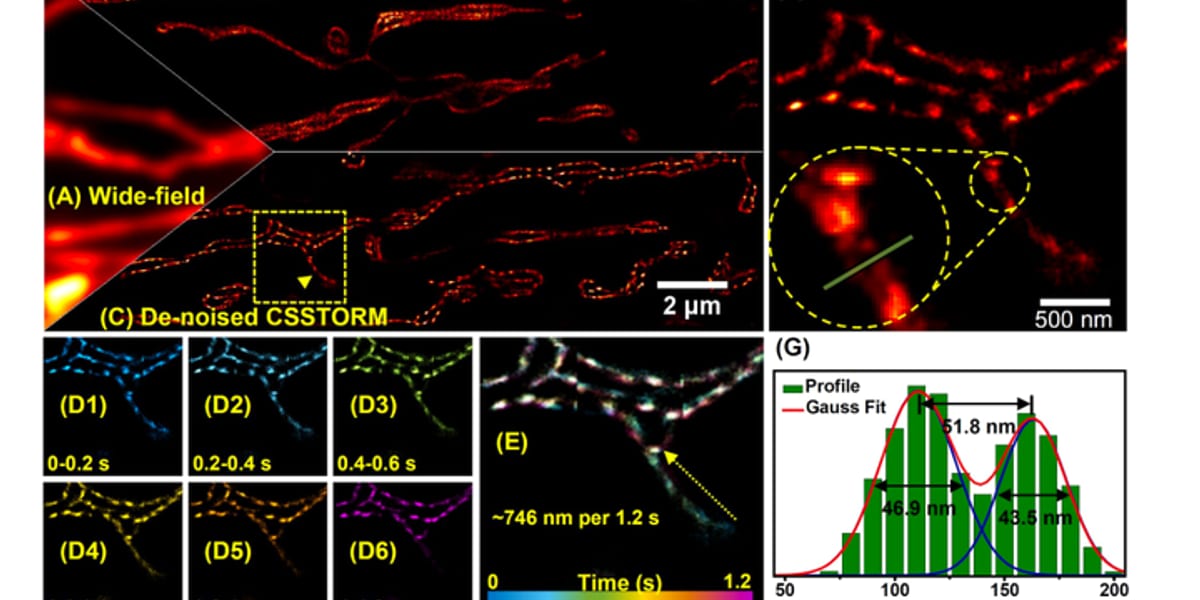
Research intelligence, data analysis, decision support, and workflow optimization for biomedical contexts.
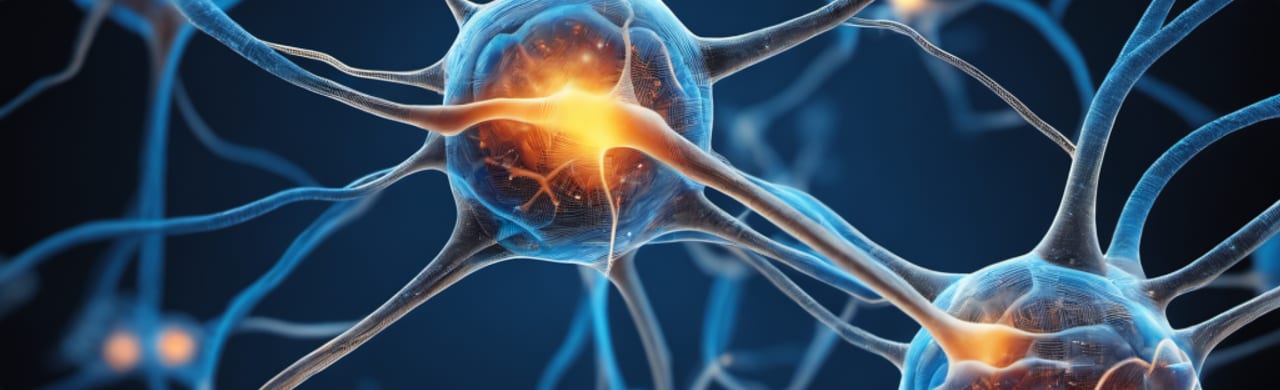
Scientific exploration in chronic disease prevention, lifestyle improvement, functional ingredients, advanced materials, and translation.
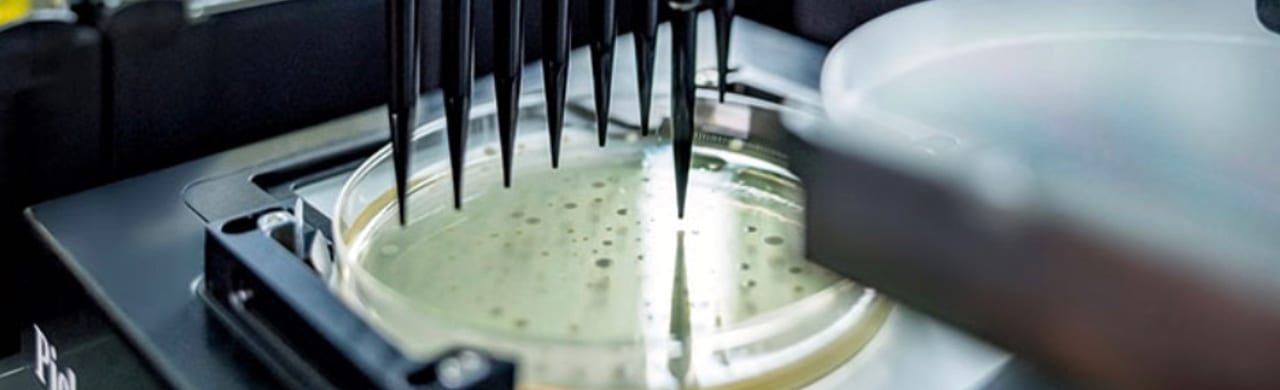
Assistive eyewear, intelligent care devices, brain-computer interfaces, and sleep or emotion hardware concepts.
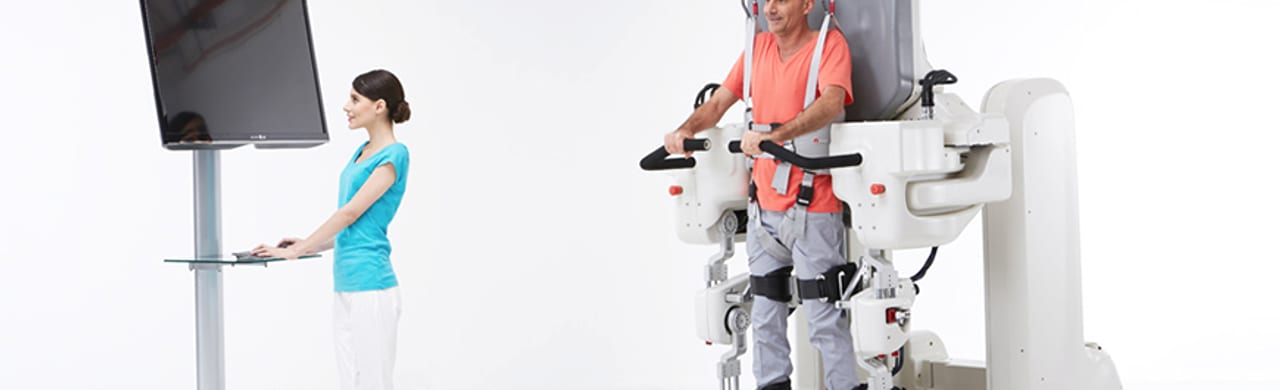
Platform systems connecting customer health journeys, behavioral data, and long-term service value.
Platform Logic
Start with rigorous scientific questions.
Validate insight through repeatable evidence.
Turn findings into products and systems.
Scale through platform architecture and partnerships.
Latest Insights
Before formal expert collaboration information is published, AIBIOOS uses public awards, regulatory materials, and research signals to present relevant scientific context across AI and life science. These materials serve as public academic reference only and do not imply collaboration, authorization, or endorsement.
Insight Themes
David Baker, Demis Hassabis, and John Jumper received the 2024 Nobel Prize in Chemistry for work related to computational protein design and protein structure prediction.
View latest insightsEmmanuelle Charpentier and Jennifer Doudna received the 2020 Nobel Prize in Chemistry for the CRISPR/Cas9 genome editing method.
View latest insightsKatalin Kariko and Drew Weissman received the 2023 Nobel Prize in Physiology or Medicine for discoveries related to nucleoside base modifications.
View latest insightsSignals
Researchers found that autologous erythrocyte microparticles drive antitumour T cell immunity by activating dendritic cells, providing a new approach for cancer treatment.
Researchers developed a physics-informed machine learning method that transforms sparse observations into high-resolution fluid dynamics images, potentially improving the accuracy of fluid dynamics simulations.
Researchers developed a physics-informed learning method that simultaneously predicts flow fields and particle trajectories, potentially improving the accuracy of fluid dynamics simulations.